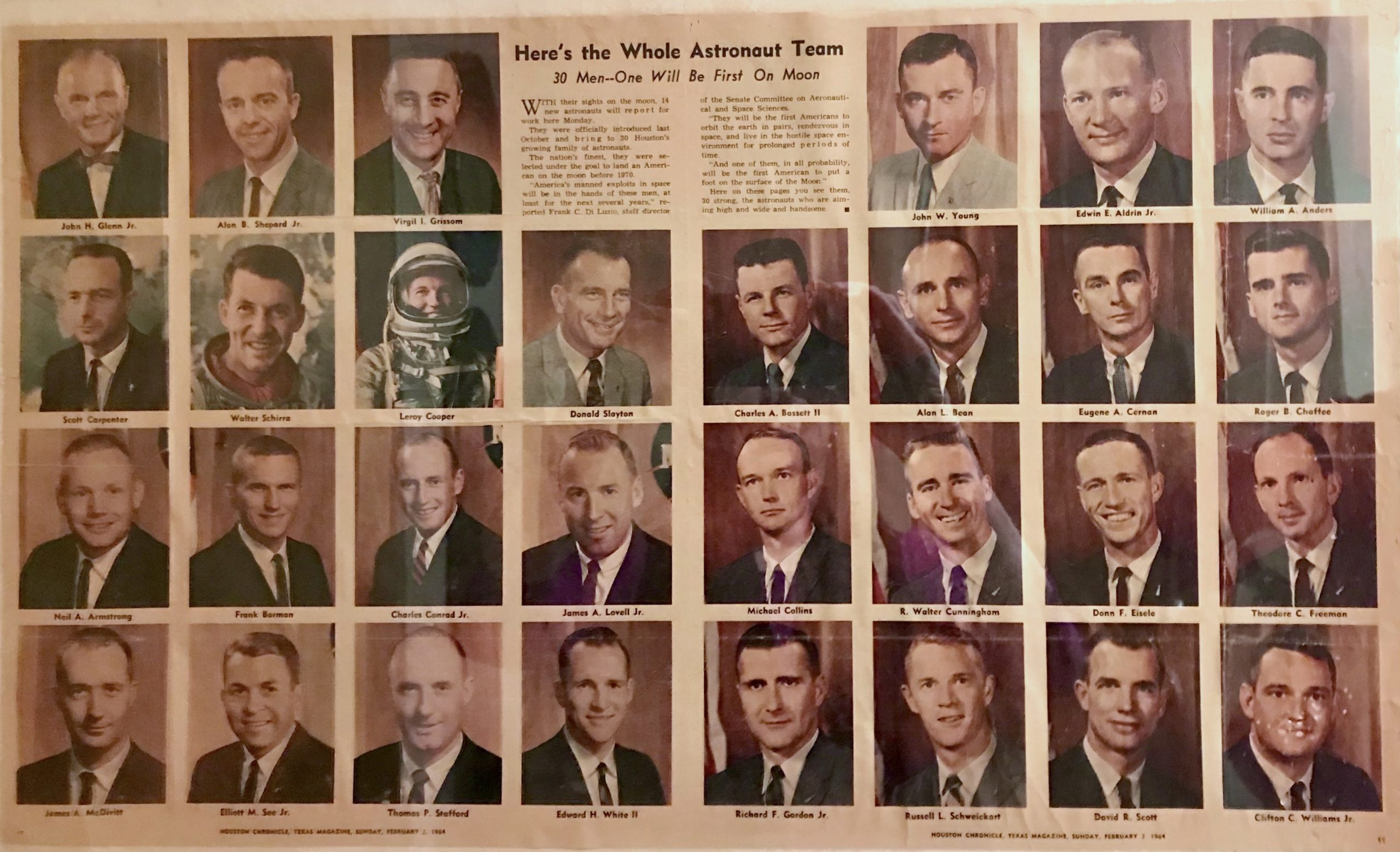
Here’s the Whole Astronaut Team.
30 Men – One Will Be First on Moon.
With their sights on the moon, 14 new astronauts will report for work here Monday.
They were officially introduced last October and bring to 30 Houston’s growing family of astronauts.
The nation’s finest, they were selected under the goal to land an American on the moon before 1970.
“America’s manned exploits in space will be in the hands of these men, at least for the next several years,” reported Frank C. Di Luzio, staff director of the Senate Committee on Aeronautical and Space Sciences.
“They will be the first Americans to orbit the earth in pairs, rendezvous in space, and live in the hostile space environment for prolonged periods of time.
“And one of them, in all probability, will be the first American to put a foot on the surface of the Moon.”
Here on these pages you see them, 30 strong, the astronauts who are smiling high and wide and handsome.
Houston Chronicle, Texas Magazine, Sunday, February 2, 1964.
A few years after my mom died, I visited one of her closest friends, another Group 3 astronaut wife. I knew they had shared profound moments during their experiences in the early spaceflight era. This became my first oral history interview trip, and a foundational moment of connection to the wider shared history of our “moonshot” astronaut families.
When I walked through her front door, the first thing I saw was a framed newspaper article featuring little square photos in rows, with the headline: Here’s the Whole Astronaut Team. 30 Men: One Will Be First on Moon.
I had never thought about my dad – our dads, the husbands, the “guys” – this way before – the way they appeared before all of the missions and the moon landings and the history, which was just the ordinary context of my childhood.
As a group in 1964, they held the hope of John F. Kennedy’s moonshot goal, seen here in their portraits: photos gathered together by the media, shortly after Kennedy’s assassination, and before any Gemini or Apollo missions had flown, before any of Kennedy’s goal had been realized. It dawned on me how the first three NASA Astronaut Groups were so foundational and tied so closely to John F. Kennedy’s challenge and goals.
John F. Kennedy and the First 30 Astronauts
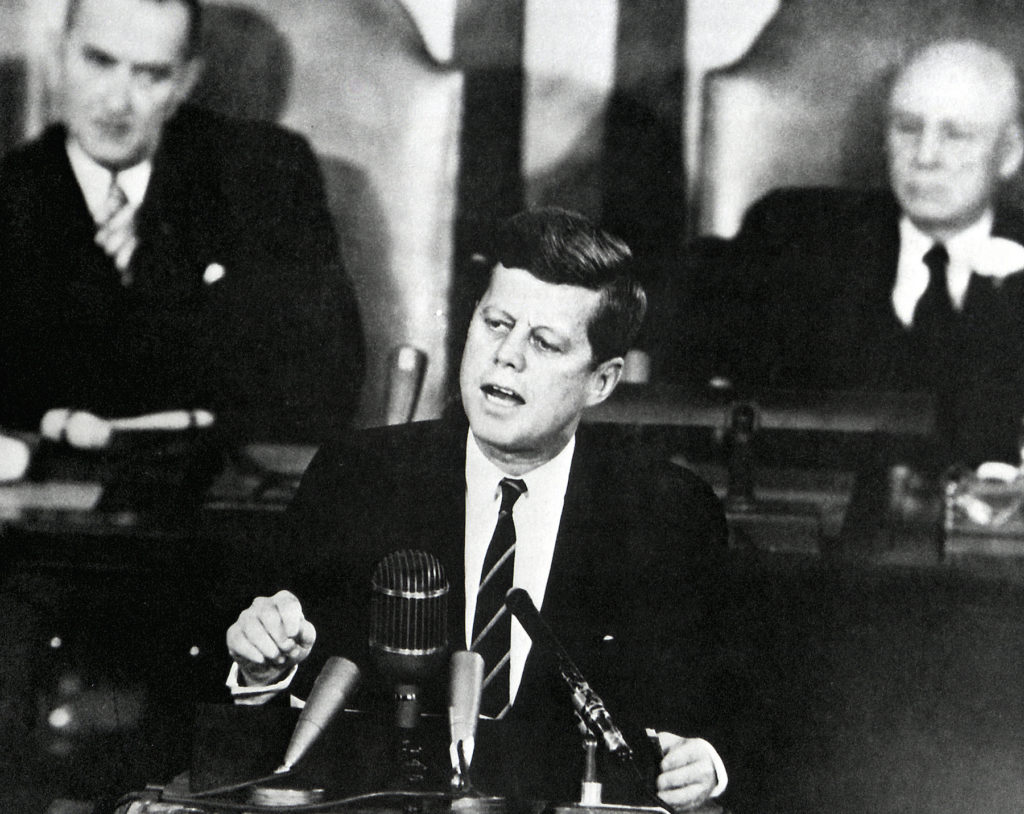
May 25, 1961 – President John F. Kennedy’s first moonshot challenge (Address to Congress).
I believe that this nation should commit itself to achieving the goal, before this decade is out, of landing a man on the moon and returning him safely to the earth….But in a very real sense, it will not be one man going to the moon— it will be an entire nation. For all of us must work to put him there.
President John F. Kennedy, Address delivered to a joint session of Congress. May 25, 1961.
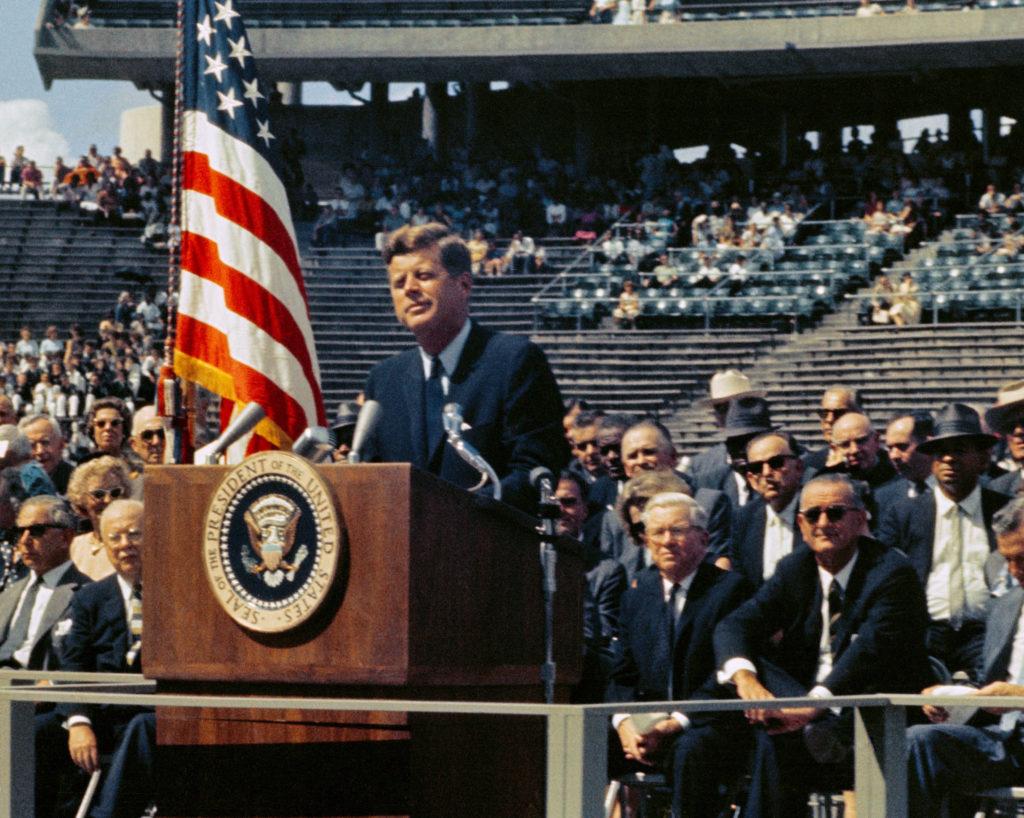
Sep 12, 1962 – President John F. Kennedy’s second moonshot challenge (speech at Rice University).
We choose to go to the moon. We choose to go to the moon in this decade and do the other things, not because they are easy, but because they are hard, because that goal will serve to organize and measure the best of our energies and skills, because that challenge is one that we are willing to accept, one we are unwilling to postpone, and one which we intend to win, and the others, too.
It is for these reasons that I regard the decision last year to shift our efforts in space from low to high gear as among the most important decisions that will be made during my incumbency in the Office of the Presidency….
President John F. Kennedy Address at Rice University on the Space Effort. Sept. 12, 1962.
When John F. Kennedy issued the moonshot challenge there were seven U.S. astronauts. They had been selected in Astronaut Group 1, after the creation of NASA in 1958 by Dwight Eisenhower for the new Space Race of the Cold War with the Soviet Union.
After Kennedy’s challenge, two new groups of astronauts were selected in quick succession, needed to meet the goal of landing a man on the moon before the decade was out.
Astronaut Group 2 (The New Nine) was announced on September 17, 1962.
Astronaut Group 3 (The Fourteen) was announced on October 18, 1963.
Just over a month later, John F. Kennedy was assassinated.
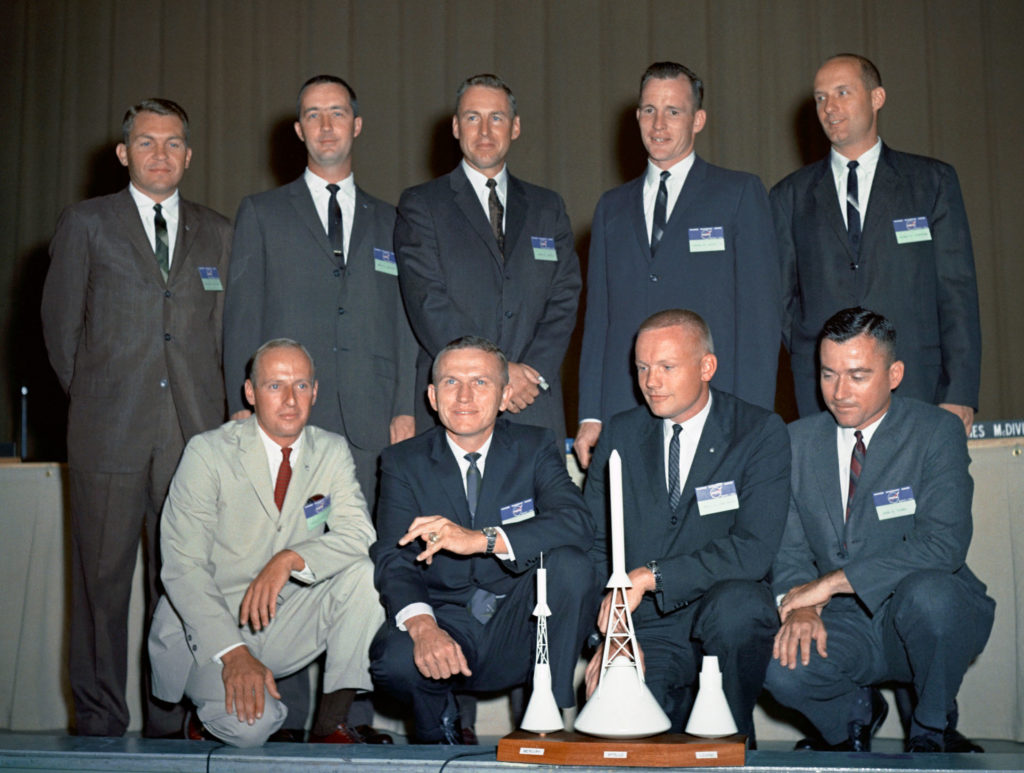
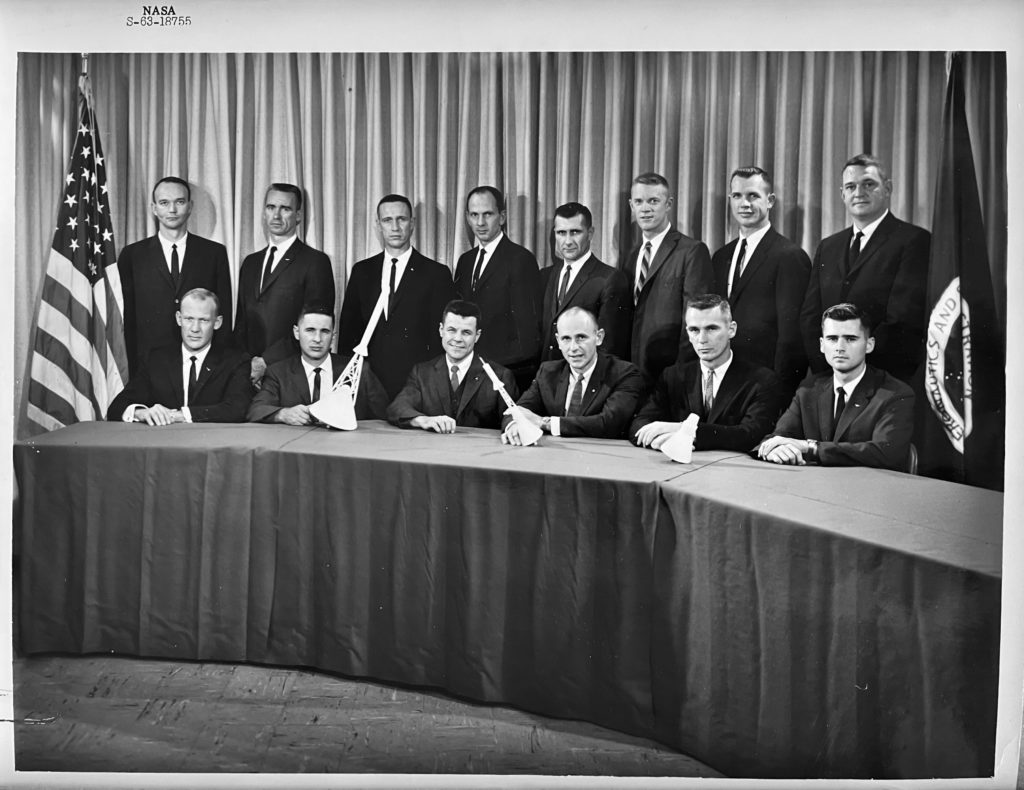
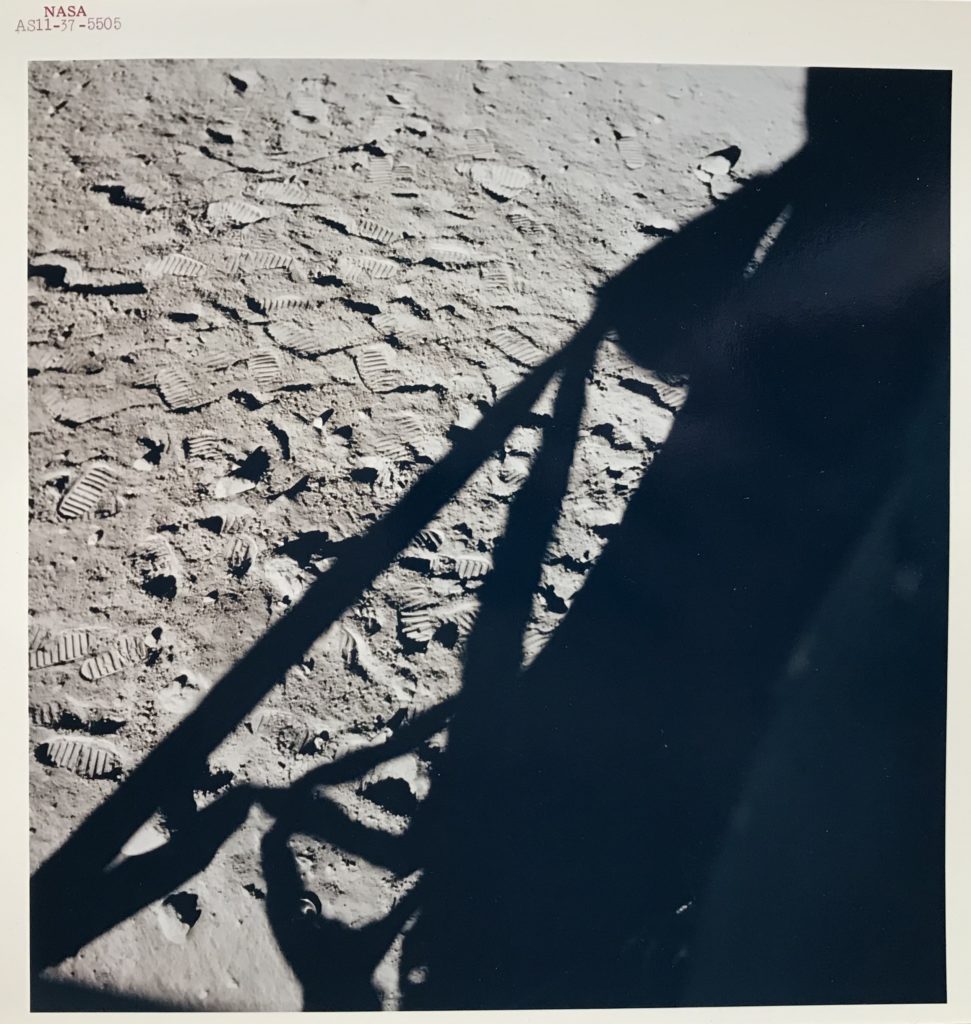
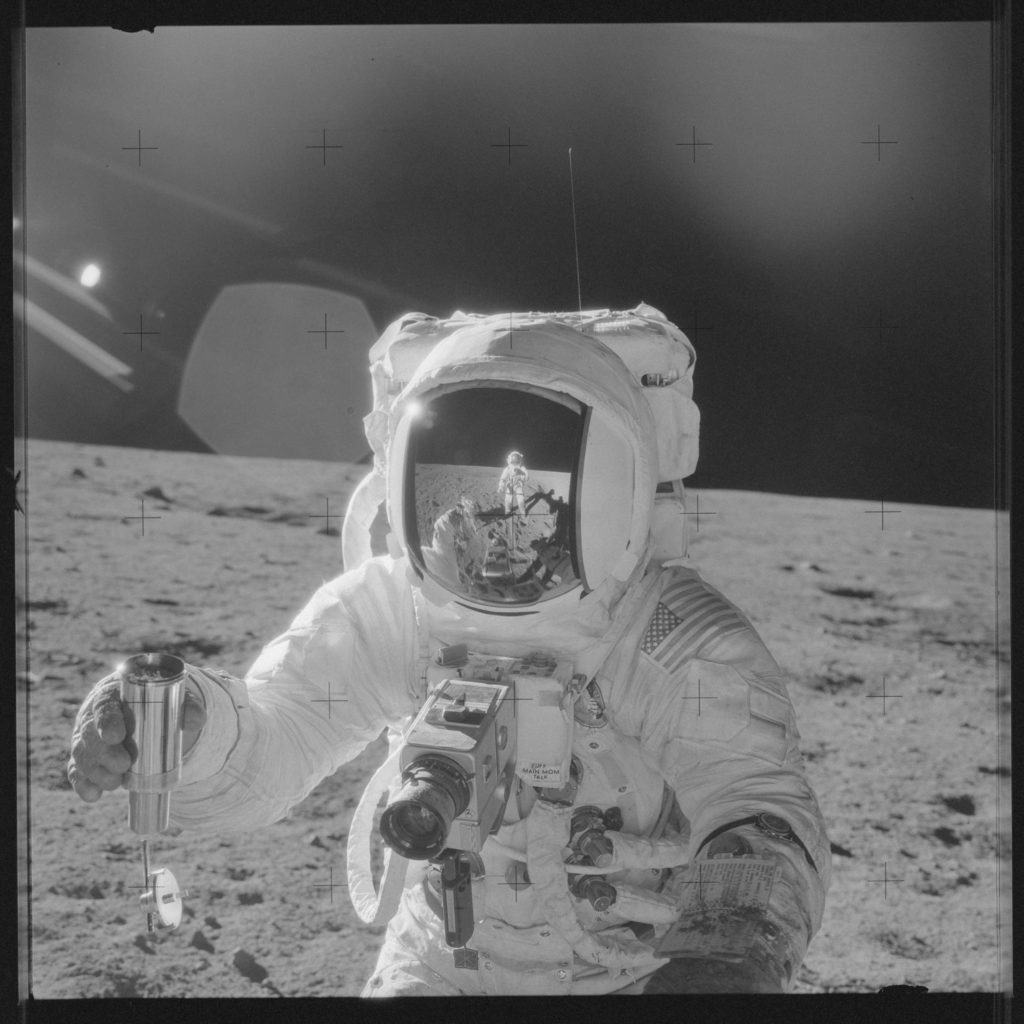
Kennedy would not live to see his moonshot challenge realized, but he set in motion that most audacious goal, achieved, incredibly, just eight years after he first set it in motion: May 25, 1961 to July 20, 1969.
And, in 1964, after the first three astronaut groups had been selected – the first 30 astronauts – the Houston Chronicle correctly predicted that one of them would “be the first American to put a foot on the surface of the Moon” (Neil Armstrong). The first 30 astronauts flew all the U.S. space missions through the end of that decade (1969). They made up the crews of all the Gemini missions, and all the Apollo missions up through Apollo 12 (Nov 1969). They were the core of Kennedy’s moonshot challenge.
The First 30 Astronaut Wives
I grew up in this history. I knew this history intellectually. But, until I saw that newspaper clipping, I hadn’t thought about the ramifications of “history-making” in real time, in real life, in my own life, forever grounded in that time and place. How my personal history was so inescapably bound-up with the unfolding of that larger history. And, even more, I hadn’t thought about what that history, before it was “history,” must have been like in real time, in real life, for our moms, for the first 30 astronaut wives.
What must it have been like for these young women? Young women who had married military pilots, at a time when “astronauts” were the stuff of science fiction, to suddenly find themselves married to one of the 30 men who would be the first to land on the moon? One of 30 men chosen to fulfill John F. Kennedy’s vision of landing a man on the moon before the decade was out? This was their everyday reality, even as it was part of an extraordinary historical moment.
How did they navigate the surprise and the spotlight, the tragedies and the awesomeness, the challenges and the mundanity of their work – – caring for our families, supporting the men, supporting the missions, the program, NASA?
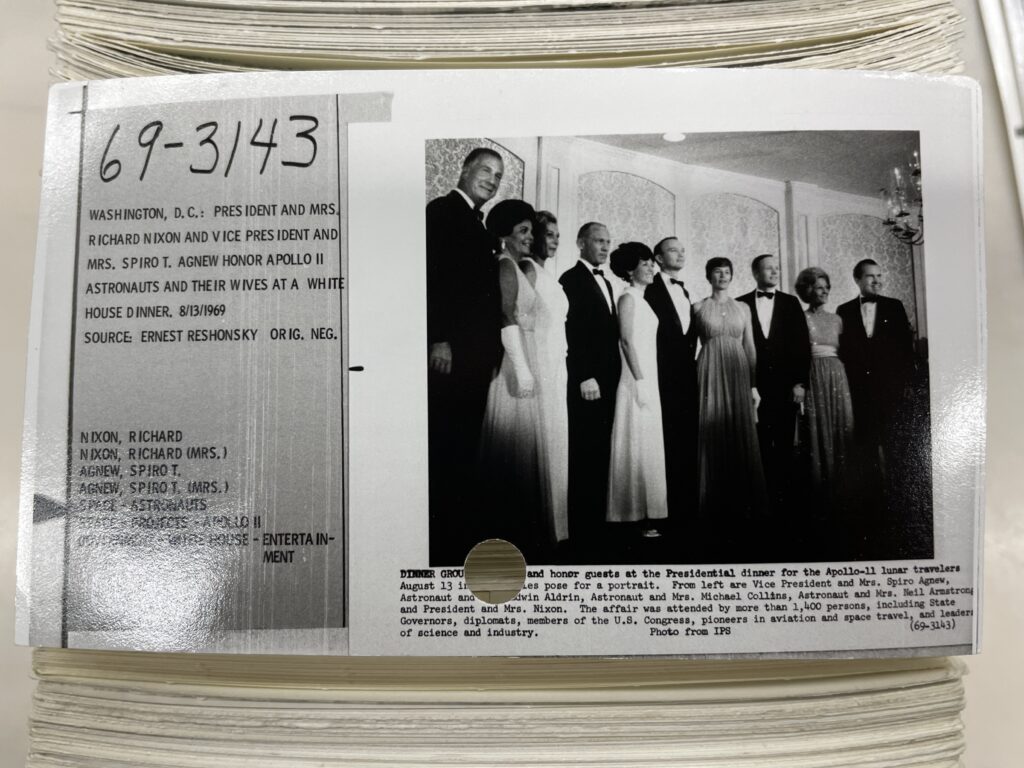
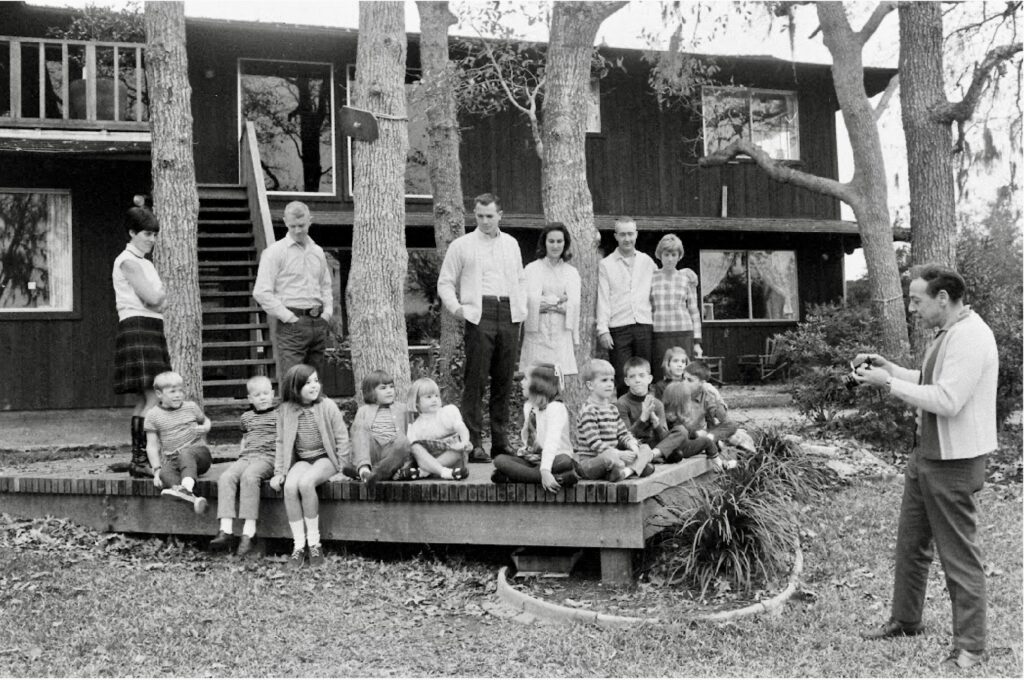
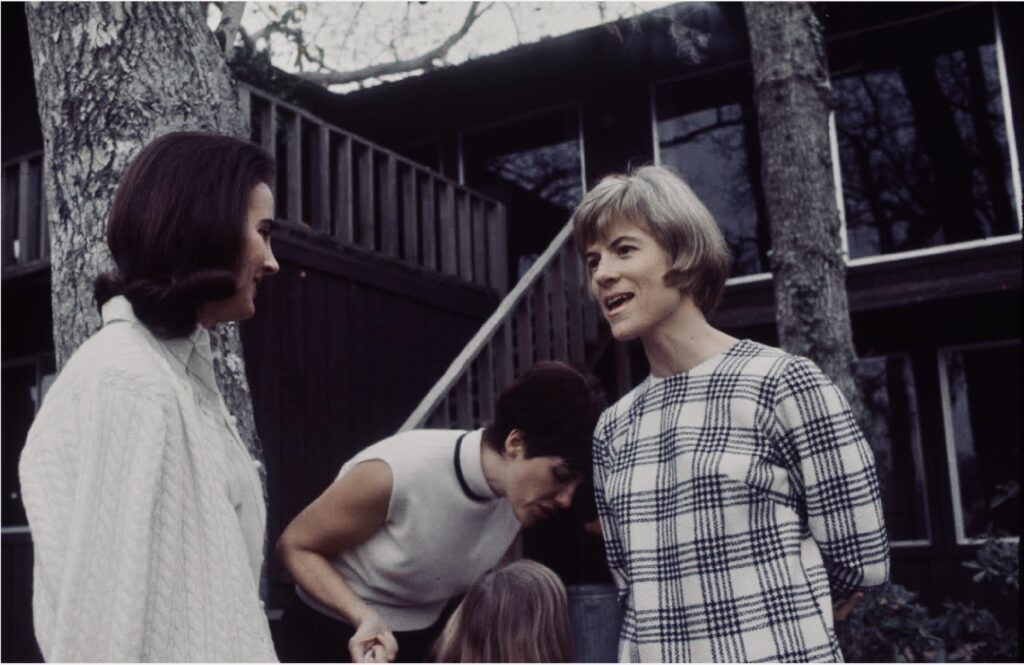
They navigated through community – the community of their astronaut groups and our neighborhoods. They lived out the astronaut-wife life together, supporting each other through the lows and highs of that history unfolding – face to face, neighbor to neighbor, family to family. The bonds of love are strong.
While their lives became fodder for the media and politicians, these women – and our families – became everyday family to each other. Holding each other up while the world watched.
Holding up the world, behind the curtain.
Coda
The insider realities of this history were and are so different from outsider views and perceptions. These realities are complex and deep, not easily summed up in sound bites, or in answers to questions: what was it like? how did it feel? Media Q & A cannot capture the extraordinary depth of the experiences. Experiences that only these women understand, that bonded them together in an extraordinary community, realizing the extraordinary moonshot challenge of a President and a country.
These realities are the stories that will unfold as I continue to dig deeper into these women’s lives, their words, their voices from that time.